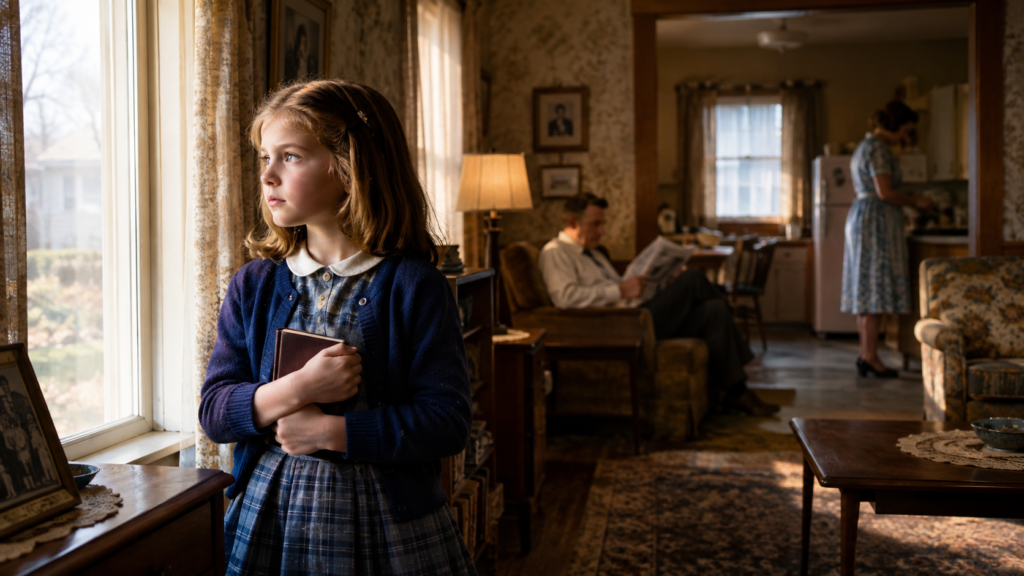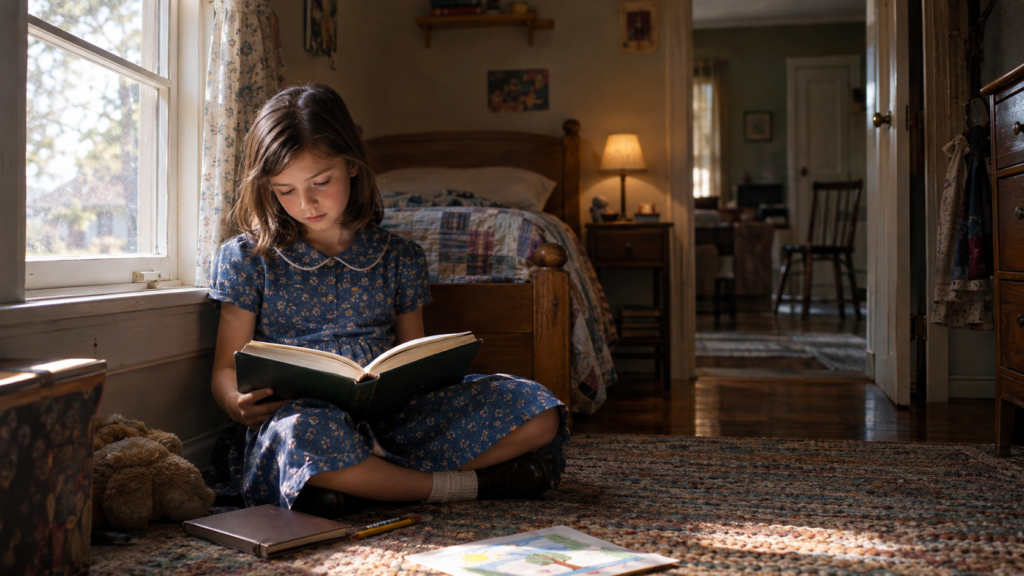
The relationship between a father and daughter is one of the most profound bonds a person can experience. Ideally, it provides safety, affirmation, and a template for trust that shapes every future relationship. But when that bond is broken—through abuse, neglect, or betrayal—the wounds run deep and often persist long into adulthood. For survivors of childhood trauma, healing is not a simple or linear process. It requires courage, support, and often, the wisdom found in stories that mirror our own.
This blog explores how books on father–daughter relationships in adulthood can serve as powerful companions on the journey from abuse to trust. Drawing on the memoir I Am Your Daughter by Cindy Meadows, along with trauma-informed therapeutic approaches, spiritual practices, and writing exercises, we will examine what it means to name the harm, release self-blame, and begin building a future that is not defined by the past.
What Is the Father Wound? Defining Paternal Abuse, Neglect,and Betrayal
The term “father wound” describes the psychological and emotional damage that occurs when a father figure fails to provide the safety, love, and guidance a child needs. This wound can take many forms:
Physical abuse: Hitting, punching, or other physical harm. In I Am Your Daughter, Cindy Meadows describes her brother punching her so hard he broke her nose—and the family’s failure to adequately protect her.
Emotional abuse: Constant criticism, name-calling, humiliation, or rejection. Cindy Meadows’ brother called her “geek” and “dork” throughout childhood, while her parents often dismissed her feelings.
Sexual abuse: Any sexual contact between an adult and a child, including molestation, exposure, or exploitation. Cindy Meadows’ father molested her at approximately age eight and sexually assaulted her at seventeen. These violations occurred within a family culture that taught her to “respect your elders” and keep secrets.
Neglect: Failing to provide basic emotional or physical care. Her mother was often emotionally unavailable, and her father’s alcoholism left him present but absent.
Betrayal: When a trusted adult violates that trust. Cindy Meadows’ father told her the abuse was “a special way I can show I love you,” then swore her to secrecy: “If mom knew, then I would have to go away.”
The father wound is not a single event but a pattern of experiences that teach a child: You are not safe. Your feelings do not matter. You cannot trust those who should protect you.
How Books on Father–Daughter Relationships in Adulthood CanHelp Survivors Heal
Reading about others who have survived similar experiences offers several therapeutic benefits. Seeing your experience reflected in another’s story confirms that you are not alone and not crazy, as Cindy Meadows’ confusion—”Why would my daddy do that to me?”—resonates with countless survivors. Memoirs also provide words for experiences that may have felt unspeakable; when she writes, “It hurt, and I felt scared,” she gives permission to others to name their own pain. Witnessing another’s healing journey—even an incomplete one—offers hope that healing is possible, while books on father–daughter relationships in adulthood create a sense of connection across time and distance. You may never meet Cindy Meadows, but her story can feel like a conversation with a trusted friend.
Books about father daughter relationships—both memoirs and therapeutic guides—can serve as companions, teachers, and mirrors. They remind us that our stories matter and that we are not alone. For survivors of childhood trauma, these books offer validation, language, hope, and community, making them invaluable tools on the journey from abuse to trust.
From Abuse to Trust — The Healing Journey
1. Naming What Happened
The first step toward healing is often the most difficult: naming what happened. For years, Cindy Meadows kept her father’s abuse a secret. She hid her underwear, scrubbed her skin raw, and buried the truth deep inside. It was not until she spoke to her friend Janet that she began to break the silence. Naming the abuse means:
-
Calling it what it is: abuse, assault, violation—not “a secret” or “something that happened”
-
Acknowledging its impact: the fear, confusion, shame, and anger
-
Recognizing that it was not your fault
Many survivors find that writing down what happened—even if they never show anyone—helps them begin to process the trauma.
2. Breaking the Silence
Secrecy is the abuser’s greatest weapon. Cindy Meadows’ father told her, “This is a secret just between you and me.” Her family culture reinforced this: “What happens in this house stays in this house.” Breaking the silence can take many forms:
-
Telling a trusted friend or family member
-
Confiding in a therapist or counselor
-
Writing about the experience in a journal
-
Sharing your story with a support group
-
Reading memoirs like I Am Your Daughterand recognizing your own experience in its pages
When Cindy Meadows finally told Janet, she discovered that her friend had experienced similar abuse from a stepfather. This shared understanding was a turning point in her healing.
3. Releasing Self-Blame
Children who are abused often blame themselves. Cindy Meadows wondered if she had done something wrong, if she should have known better than to be around her father when he had been drinking. She felt guilty for keeping secrets and ashamed of her own confusion and arousal. Releasing self-blame requires:
-
Understanding that abuse is always the responsibility of the abuser
-
Recognizing that children cannot consent and cannot be at fault
-
Challenging the inner critic that says, “you should have known better”
-
Practicing self-compassion and self-forgiveness
In I Am Your Daughter, Cindy Meadows’ friend Janet offers this crucial reframe: “Your dad is supposed to be an adult here. It is not your fault.” This simple statement is a lifeline for survivors.
Finding a Trauma-Informed Therapist
Understanding Trauma Therapy Modalities
Cindy Meadows found support through her school guidance counselor, Mrs. Sanders, who helped her understand that her feelings were normal responses to trauma. For many survivors, professional therapy is essential.
Trauma-informed therapy recognizes the widespread impact of trauma and understands the signs and symptoms. It creates a safe environment where survivors can process their experiences without being re-traumatized. Common trauma therapy modalities include:
-
Cognitive Behavioral Therapy (CBT): Helps survivors identify and change negative thought patterns related to trauma.
-
Eye Movement Desensitization and Reprocessing (EMDR):Uses guided eye movements to help the brain process traumatic memories.
-
Trauma-Focused CBT: Specifically designed for children and adolescents, but adaptable for adults.
-
Somatic Therapy: Focuses on the body’s role in storing and releasing trauma.
-
Group Therapy: Provides community and shared understanding among survivors.
When seeking a therapist, look for someone who:
-
Has specific training in trauma
-
Creates a safe, non-judgmental space
-
Understands the dynamics of abuse and family dysfunction
-
Respects your pace and boundaries
Books on father–daughter relationships in adulthood can supplement therapy, but they are not a replacement for professional support when needed.
If you want to understand family trauma, read our blog “Popular Books About Childhood Family Trauma: A Comprehensive Reading Guide for Survivors.”
Tools and Practices for ContinuedHealing
1. How Cindy Meadows Used Writing to Survive
Throughout I Am Your Daughter, Cindy Meadows turns to writing to process her experiences, keeping a notebook hidden under her mattress where she records her thoughts, feelings, and questions. Writing helps her make sense of her family, her faith, and her identity, becoming a safe space where she can be honest without fear of judgment or punishment.
2. Journaling Prompts for Processing Paternal Trauma
Survivors of paternal abuse may find healing through journaling prompts: What do I remember about my father from childhood? When did I first realize something was wrong? What secrets did I keep? How has his behavior affected my relationships with men? What would I say to my younger self? These prompts are not meant to be completed in one sitting, so take your time and be gentle with yourself.
3. Writing Your Own Story
Cindy Meadows wrote I Am Your Daughter as an adult, looking back with both pain and wisdom. Writing your own story—whether for publication or yourself—can be a powerful act of reclamation. You might write a letter to your father, a letter to your younger self, or a poem about your experience. Writing transforms you from a passive victim into an active narrator of your own life.
4. Finding Peace in Nature
Throughout I Am Your Daughter, Cindy Meadows finds solace in nature, climbing the cherry tree, walking the neighborhood, sitting by the lake, and tending the garden. Nature offers peace, beauty, and spiritual connection that her family cannot provide. Research confirms that time in nature reduces stress, improves mood, and supports trauma recovery through practices like walking meditation, gardening, and forest bathing.
Faith and Spirituality After Abuse: Rebuilding a Relationship with the Divine
Cindy Meadows’ spiritual journey is central to I Am Your Daughter. She attends Sunday school, gets confirmed, and prays regularly. But she also struggles with questions: “Do you think God’s son is okay?” “I don’t think God would want me to accept this.”
For survivors of abuse, faith can be complicated. The same religious institutions that offer comfort may also perpetuate harmful teachings about obedience, forgiveness, and gender roles. Rebuilding a relationship with the divine requires discernment and courage.
1. Finding a Faith Community That Supports Survivors
Look for communities that:
-
Believe survivors and take abuse seriously
-
Do not pressure survivors to forgive before they are ready
-
Affirm the dignity and worth of all people
-
Welcome questions and doubts
-
Offer practical support (counseling, support groups, resources)
Cindy Meadows’ grandmother is a source of spiritual support: “Follow your heart,” she says. “Say a prayer, hon. God will help.”
2. Prayers, Meditations, and Rituals for Healing
Consider these spiritual practices:
-
Prayer: Talk to God or a higher power in your own words. You do not need formal prayers.
-
Meditation: Focus on your breath, a word, or an image. Let thoughts come and go without judgment.
-
Rituals: Light a candle, write a letter and burn it, create art as an offering.
-
Reading sacred texts: Find passages that speak to your experience of suffering and hope.
3. When Church Hurts: Navigating Religious Trauma
Some survivors carry wounds from religious institutions. They may have been told to forgive abusers, to submit to male authority, or to keep family secrets. If the church has hurt you, it is okay to:
-
Take a break from religious attendance
-
Explore spirituality outside traditional institutions
-
Seek a therapist who understands religious trauma
-
Find community among other survivors
Cindy Meadows’ journey shows that faith can be a source of strength even when it is also a source of questions. She does not resolve all her doubts, but she continues to seek.
How to Break the Cycle and Look Forward
The title I Am Your Daughter is both a statement of identity and a declaration of independence. Cindy Meadows is her father’s daughter—but she is also her own person, capable of making different choices. Breaking the cycle of abuse and dysfunction requires:
-
Awareness: Recognizing the patterns that have been passed down
-
Boundaries: Learning to say no, to protect yourself, and to prioritize your own needs
-
Support: Surrounding yourself with people who respect and care for you
-
Therapy: Working with professionals to heal trauma and build new skills
-
Self-compassion: Treating yourself with the kindness you deserved as a child
-
Hope: Believing that the future can be different from the past
Cindy Meadows’ marriage at the end of the memoir is complicated. Her husband accuses her of infidelity on their wedding night—a painful repetition of the betrayal she experienced with her father. But she has also grown. She has a job, a voice, and a growing understanding of her own worth.
If you want to learn more about Cindy Meadows, visit our blog “Books About Childhood Family Relationships: The Innocent Voice of a Child in a Troubled Home.”
Conclusion
I Am Your Daughter by Cindy Meadowsis more than a memoir. It is a witness, a companion, and a guide for survivors of paternal abuse. Through her honest, unflinching narration, she shows us what it looks like to grow up in a family that is both loving and harmful—and to find a way forward.
Books on father–daughter relationships in adulthood can be powerful tools for healing. They validate our experiences, give us language for our pain, and offer hope that we are not alone. Whether you are just beginning to name what happened or you are further along in your healing journey, there are the best father daughter relationship books 2026—and a community—waiting for you. You are not your father’s daughter only. You are your own. And your story is not over.
Frequently Asked Questions
How did Cindy Meadows’ relationship with her fatherchange as she grew older?
As a young girl, she adored her father, who doted on her and called her “my girl.” As she grew older, his drinking, control, and eventual sexual abuse created distance, fear, and confusion, transforming love into ambivalence.
How did her father’s expectations affect Cindy Meadows’ decisions?
Her father’s strict rules about school, boys, and behavior shaped many of her choices. She often complied to avoid punishment, but also rebelled secretly—unhooking her odometer and seeing Dave behind his back—because his expectations felt unfair and controlling.
Why did Cindy Meadows struggle to communicate her feelings to her father?
She was taught to “respect her elders” and keep family secrets. Her father’s anger, drinking, and emotional unavailability made honest conversation feel unsafe, so she retreated into silence, writing, and her bedroom instead.
How did Cindy Meadows establish boundaries with herfather?
Cindy Meadows began pulling away when he smelled of beer, avoiding his lap and spending more time in her room. With her counselor’s help, she learned to keep her distance, protect her privacy, and recognize that caring for him was not her responsibility.
How did Cindy Meadows learn to trust herself in her relationship with her father?
Through therapy, supportive friends like Janet, and her own writing, she slowly recognized the abuse was not her fault. She learned to listen to her instincts, set limits, and value her own feelings—though trust remained a work in progress.
What happens next to Cindy Meadows? Does she break the cycle, or does history repeat itself? There’s only one way to find out. Get your copy of I Am Your Daughter on Amazon and uncover her full story today.
Leave a Reply
Your email address will not be published. Required fields are marked *